
Advancing the Science of LCC/Labrune Syndrome
Why Research Matters
What is LCC/Labrune syndrome?
Leukoencephalopathy with cerebral calcifications and cysts—known as LCC or Labrune syndrome—is a very rare, progressive disorder affecting the brain’s small blood vessels.
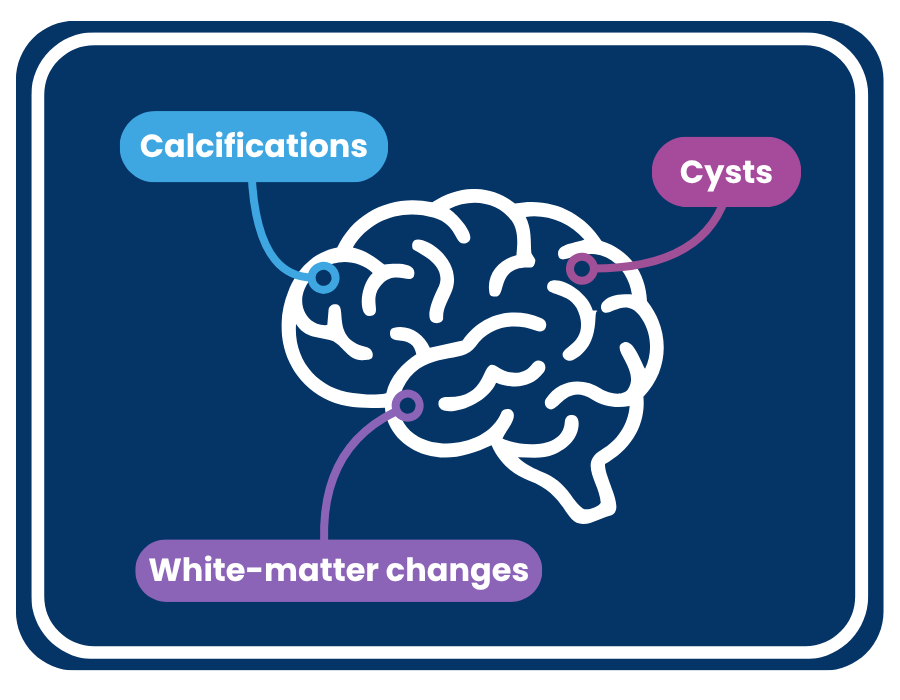
Its name describes three characteristic findings on brain scans:
- Leukoencephalopathy: changes or damage to the brain’s white matter
- Calcifications: calcium deposits in brain tissue
- Cysts: fluid-filled spaces that may enlarge and press on surrounding areas
Symptoms vary widely and can begin at any age, from infancy to late adulthood. They may include seizures, headaches, movement or balance problems, weakness, cognitive changes and developmental delay. Some people remain relatively stable for years, while others experience more rapid progression.
What is SNORD118?
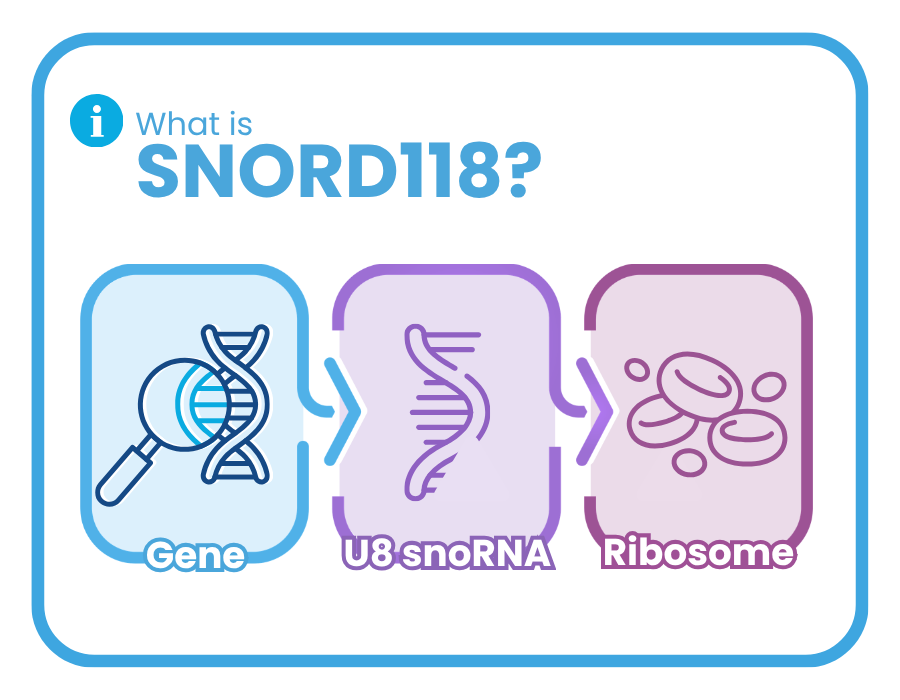
LCC is usually caused by disease-associated variants in both copies of a gene called SNORD118—one inherited from each parent. This is known as autosomal recessive inheritance.
SNORD118 produces a small RNA molecule called U8, which helps cells assemble ribosomes—the machinery used to make proteins. Researchers know that certain SNORD118 variants disrupt U8, but they do not yet understand why this mainly damages small blood vessels in the brain.
There is no single “SNORD118 mutation.” Many different variants have been identified, and affected people often carry two different variants. The specific variants do not reliably predict when symptoms will begin or how severe the condition will be.
Diagnosis and treatment
Diagnosis is based on CT and MRI findings together with genetic testing. Because other conditions can produce similar brain scans, doctors may also need to exclude infections, tumors and related genetic disorders such as Coats plus.
SNORD118 is a non-protein-coding gene, so some routine exome tests may not assess it adequately. A negative or uncertain result must therefore be interpreted in light of the test used, the imaging and the person’s symptoms.
There is currently no cure or standard treatment that stops LCC. Care is tailored to the individual and may include:
- Medication for seizures or other symptoms
- Physical, occupational or speech therapy
- Regular neurologic and imaging follow-up
- Surgery when a cyst causes dangerous pressure
Bevacizumab, a drug that affects blood-vessel signaling, has shown possible benefit in a small number of case reports. It remains experimental because it has not been tested in controlled clinical trials.
What is known—and what remains unknown?
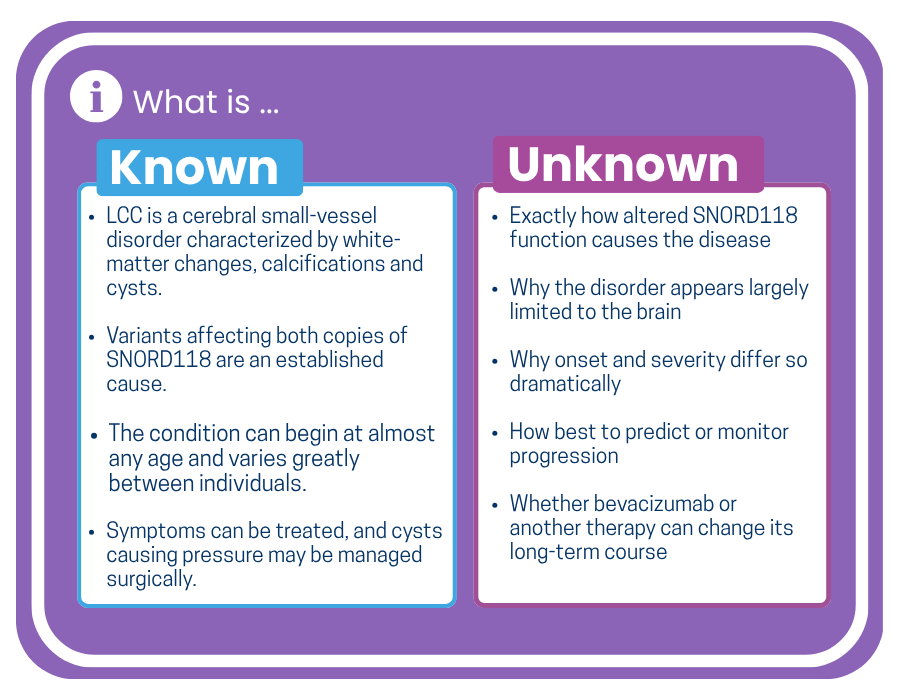
The relationship between SNORD118 and LCC is well established. The major unanswered questions are how that genetic change produces brain-vessel disease and how the process can be safely slowed or stopped.
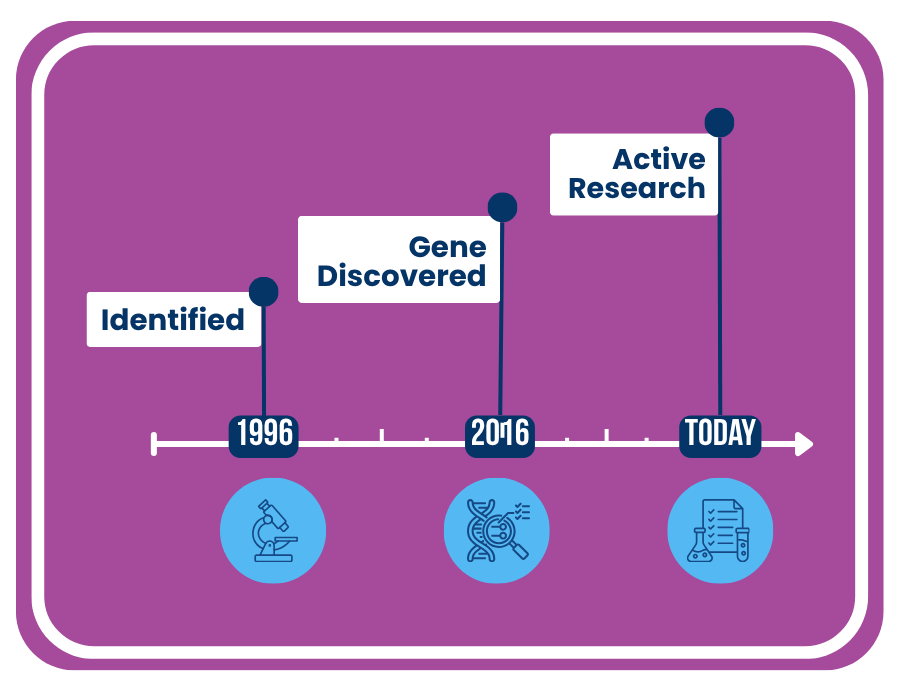
Research Roadmap
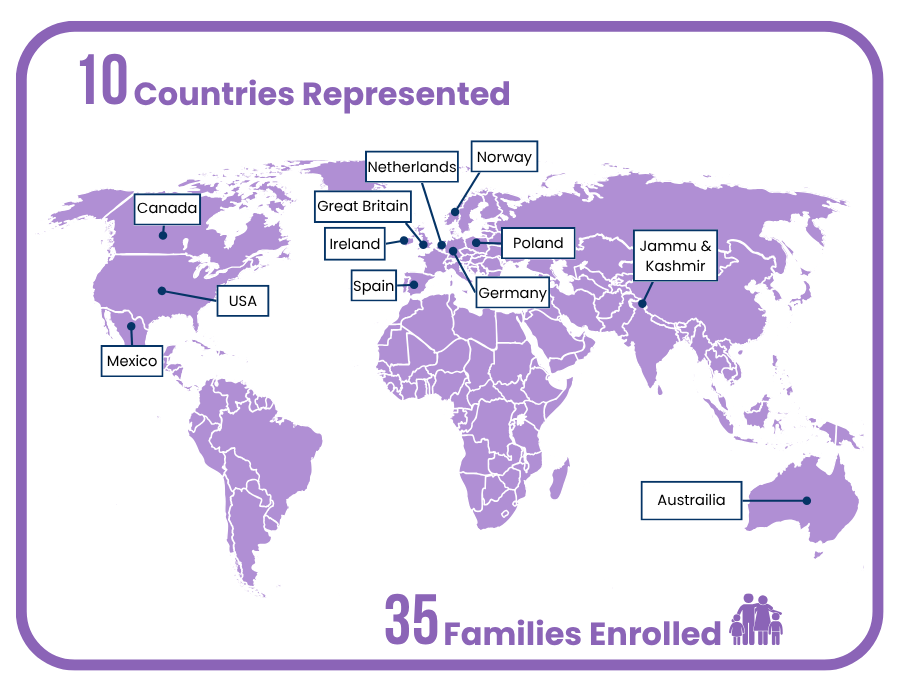
Patient Registry & Natural History Stats

Jamie Fraser, MD, PhD is a clinical and medical biochemist geneticist and physician-scientist at Children’s National Hospital. Since 2017, she has led the natural history study of Leukoencephalopathy with Calcifications and Cysts (LCC), advancing research on disease progression, imaging biomarkers, and potential treatment strategies. Her work is dedicated to improving outcomes for children and families affected by rare neurological diseases.
Andrew Badrock, PhD, is a molecular geneticist who specializes in modeling aspects of human disease in zebrafish. Across his career, he has worked on bowel cancer, ribosomopathies, motor neuron disease, melanoma, and now LCC. His work uses zebrafish models to better understand how genetic changes contribute to disease and to explore biological pathways that may inform future therapeutic strategies. Through his research, Dr. Badrock brings valuable expertise in disease modeling and translational science to the LCC research community.
Jian-Fu “Jeff” Chen, PhD, is a Professor at the University of Southern California, where he directs the Craniofacial Biology PhD Program and serves as Associate Director of the Center for Craniofacial Molecular Biology. His research focuses on how blood vessels, nerves, and tissues in the head interact during development, disease, and healing. Dr. Chen has a strong record of NIH-funded research and is dedicated to training the next generation of scientists.
A physician and researcher specializing in neurodegenerative and neurogenetic diseases, Dr. Tabea Zang, completed medical studies and a doctoral degree at Frankfurt University Hospital, where her experimental research focused on neurodegenerative disease. After beginning residency training at Mainz University Hospital, she joined Tübingen University Hospital in 2024. There, she continues her clinical training while conducting research as a member of Professor Schöls’ group, with a focus on neurogenetic disorders.
Publications & Scientific Literature
1996: Extensive brain calcifications, leukodystrophy, and formation of parenchymal cysts: a new progressive disorder due to diffuse cerebral microangiopathy –
Read More
1997: The sequence of the 5′ end of the U8 small nucleolar RNA is critical for 5.8S and 28S rRNA maturation
Read More
2014: Leukoencephalopathy, cerebral calcifications, and cysts in two sisters
Read More
2016: Mutations in SNORD118 cause the cerebral microangiopathy leukoencephalopathy with calcifications and cysts
Read More
2017: Treatment of Leukoencephalopathy With Calcifications and Cysts With Bevacizumab
Read More
2020: Analysis of U8 snoRNA Variants in Zebrafish Reveals How Bi-allelic Variants Cause Leukoencephalopathy with Calcifications and Cysts
Read More
2021: Leukoencephalopathy with calcifications and cysts: Genetic and phenotypic spectrum
Read More
2023: Expanding the Natural History of SNORD118-Related Ribosomopathy: Hints from an Early-Diagnosed Patient with Leukoencephalopathy with Calcifications and Cysts and Overview of the Literature
Read More
2023: Nucleolar URB1 ensures 3′ ETS rRNA removal to prevent exosome surveillance. (Defines an upstream requirement a U8 replacement strategy may also need to satisfy)
Read More
2024: Leukoencephalopathy With Calcifications and Cysts
Read More
2024: Recapitulating and reversing human brain ribosomopathy defects via the maladaptive integrated stress response
Read More
2024: Impaired phase separation and nucleolar functions in hiPSC models of SNORD118-related ribosomopathies
Read More
Latest Research
For Clinicians & Researchers
FDA Patient Listening Session
On Jul 11, 2025 The LCC Foundation hosted a Patient-Led Listening Session with the FDA. Check out our report and slides below.
Click below to view the session summary.
Click below to view the session slide deck.